
Blurred image of prison wing

Research

Using EMDR to treat combat-related trauma: A prison-based clinical case study

EMDR is internationally approved for PTSD and by NICE in Britain for non-combat trauma. This case study explores its use with two imprisoned ex-soldiers with combat-related trauma who benefited from the standard protocol, highlighting EMDR’s potential in forensic contexts to address risk factors for future violence.

Service evaluation

EMDR service evaluation: The impact of eye movement desensitisation and reprocessing on symptoms of posttraumatic stress disorder and risk in high secure forensic patients

This service evaluation assessed EMDR for PTSD in four high secure hospital patients with serious mental disorders. Symptoms decreased from an average of 80.5 to 62.3 post-treatment, though changes were statistically non-significant. Clinically, findings suggest EMDR may reduce severe distress and risk, supporting trauma-informed, least-restrictive care for complex populations.

Police hats

Research

Navigating Police Culture: Cultural competence in EMDR therapy with UK law enforcement. A narrative review

Increasing trauma exposure among UK and global law enforcement leads to PTSD and CPTSD, affecting duties and wellbeing. EMDR has proven effective for rehabilitation, yet engagement issues persist. A review of five studies highlights stigma, identity theory, and cultural complexity, emphasizing the need for therapists to understand police culture for effective intervention.

Features

Research

EMDR therapy for adolescents with misophonia: A pilot study of a case series

This pilot study evaluated EMDR for misophonia in four adolescents. EMDR sessions targeted distressing misophonia-related memories. Mean AMISOS-R scores decreased from 16.5 pre-treatment to 10 post-treatment, suggesting symptom improvement. Findings indicate EMDR may help adolescents with misophonia, warranting larger randomised controlled trials.

Conference

Conference announcement   

Registration is open for the EMDR UK Annual Conference at Delta Hotels Bristol City Centre. The hybrid event offers 12 CPD points, a full programme of renowned speakers, and workshops on OCD, neurobiology, LGBTQ+ practice, and child trauma. In-person spaces are capped; online access available. Book early to secure your place.

Case Report

“I have to climb mountains”: combining Pilates with EMDR in recovery from chronic lower back pain

This case study explores a combined EMDR and Pilates programme for chronic lower back pain (CLBP). The therapist, trained in both modalities, reports on a client’s four-month progress, highlighting physical improvements and how Pilates supports EMDR’s Adaptive Information Processing (AIP). The approach aligns with NICE guidelines and emerging evidence for EMDR in chronic pain treatment.

Regulars

Research News

Research News

Recent EMDR research highlights its effectiveness across diverse populations, including those with PTSD, personality disorders, postpartum trauma, dysmenorrhea, psychosis, and autism-related parental stress. Socioeconomic factors impact treatment outcomes. New RCTs and protocols expand EMDR’s scope, with promising results in military, clinical, and community settings.

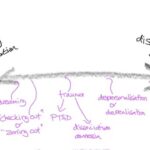
dot and line graph

Committee updates

Scientific and Research Committee update

The 2026 Annual Conference will be held in Bristol on March 20–21, featuring research updates, a keynote, and new lightning talks. Current initiatives include forming a Veterans Research Network to address evidence gaps in EMDR for military trauma, an NIHR-funded RCT on EMDR for depression, and ongoing engagement with NICE guidelines on neurological rehabilitation.

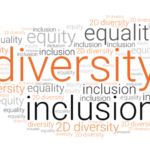
wordle of diversity equity and inclusion

Committee updates

Update from the Equality, Diversity and Inclusion Committee

Recent global events have highlighted the vulnerability of marginalized communities and the ongoing need for equity and justice. The association reaffirms its commitment to equality, diversity, and inclusion, opposing all forms of discrimination and supporting the creation of safe, respectful spaces for dialogue and healing.

Write for ETQ

We’re always looking for new authors. If you’ve seen, read or developed something in the EMDR field, we’d love to hear from you.

Advertise in ETQ

You can advertise on EMDR Therapy Quarterly at various rates with discounts available.